A fixture carrying many light products may have a high total load but modest shelf spans. A few dense products may create concentrated forces. Accurate load distribution allows the manufacturer to reinforce the right areas instead of increasing every component.
Material Selection Affects Price and Performance
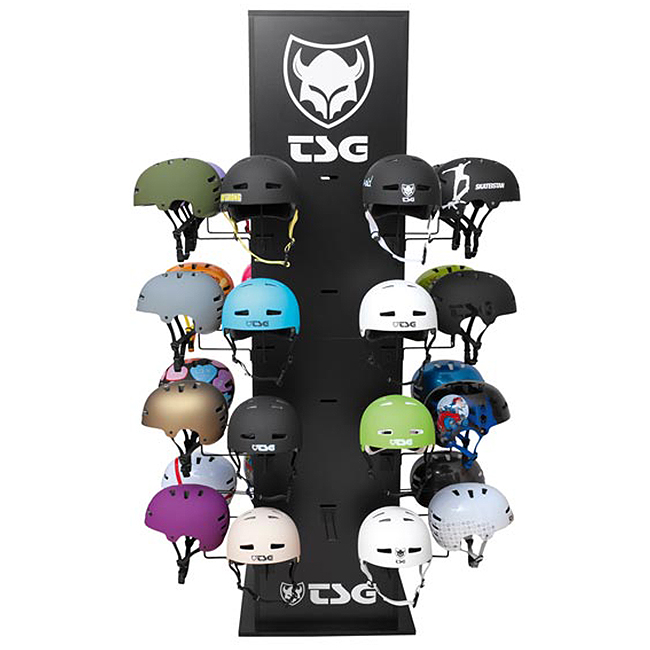
Steel tube provides efficient frames; sheet metal creates shelves, panels, and folded strength; wire supports baskets and hanging structures. Material grade, thickness, profile, and market availability influence cost. Combining metal with wood, acrylic, lighting, or printed board adds processes and supplier coordination.
Substitution should be approved against function. A thinner shelf, different fastener, or lower-cost panel may appear equivalent but alter deflection, finish, assembly, or service life.
Fabrication Complexity Often Matters More Than Shape
Every unique bend, weld, punched pattern, ground seam, and tight tolerance adds handling or machine time. Repeated components are usually more efficient than many one-off parts. Decorative curves and concealed fixings can create a premium result, but buyers should know which details customers will actually notice.
Watch the part count
A design with many brackets and fasteners may save metal yet increase production, packing, and store assembly labor. Simplifying connections can reduce total cost while improving reliability.
Finish and Branding Create Different Price Levels
A standard single-color powder coat is generally easier to control than multiple colors, specialty textures, polished metal, or tightly matched brand finishes. Graphics range from simple logo plates and shelf strips to full side panels, shaped headers, illuminated signs, and replaceable campaign systems.
Ask whether artwork setup, print proofs, color samples, and replacement graphics are included. A cheaper graphic method can become expensive if it fades, scratches, or cannot be updated.
Order Quantity Spreads Fixed Costs
Sampling, programming, fixtures, tooling, artwork setup, and production preparation are fixed or semi-fixed costs. Larger orders spread them across more units and may improve purchasing and line efficiency. The relationship is not perfectly linear because packaging, storage, inspection, and freight continue to scale.
Compare realistic volume tiers
Request prices at quantities that match the rollout plan, not arbitrary high volumes. If stores launch in phases, ask whether components can be produced together and graphics or accessories released later without creating inventory risk.
Packaging and Assembly Can Reverse a Low Unit Price
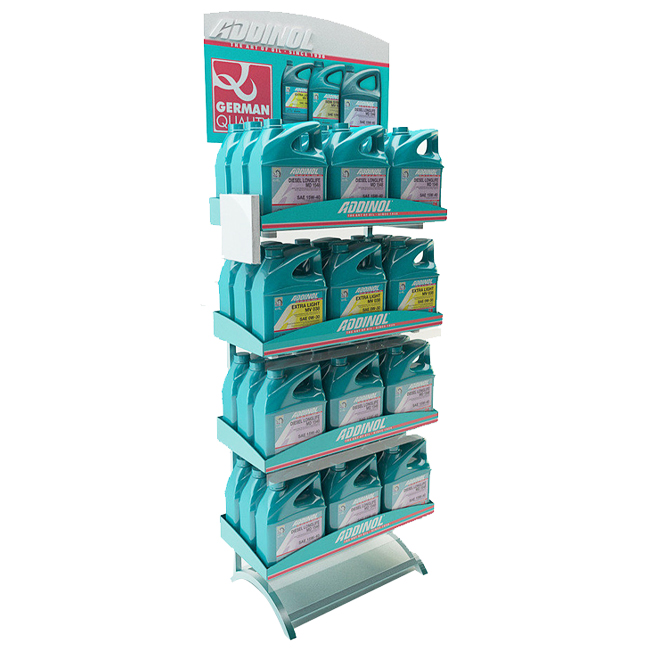
A fully assembled rack may have a low factory labor cost for the buyer but occupy substantial freight volume. A flat-pack design usually improves cube efficiency, although it needs engineered joints, hardware, instructions, and store labor. Surface protection is also critical because scratched powder coating can erase any unit-price saving.
Evaluate carton size, gross weight, units per pallet or container, assembly time, required tools, and expected damage rate. These figures reveal the landed cost more clearly than the factory price alone.
A landed-cost comparison should also include local receiving, unpacking, waste disposal, installation, and replacement of damaged components. These expenses may sit outside the factory quotation, but they determine whether a lower unit price actually produces a lower rollout cost.
Prototype and Revision Costs Should Be Visible
Custom work normally requires a sample or prototype. Sample cost and timing depend on structural complexity, materials, graphics, and finishing. Clarify whether the quoted sample includes final graphics, production-equivalent finish, packaging, and one revision cycle.
A complete sample may cost more than a mass-production unit because setup is spread across one piece. Its purpose is risk reduction: checking fit, stability, capacity, assembly, appearance, and replenishment before multiplication.
A Practical Cost-Comparison Framework
Instead of comparing one total at the bottom of each quotation, normalize the scope. A procurement review can use the following sequence:
Scope alignment: Confirm that every supplier priced the same drawing, load, finish, graphics, quantity, and trade term.
Cost separation: Separate one-time engineering or tooling from recurring unit costs.
Landed-cost calculation: Calculate packed volume, assembly labor, and likely replacement or damage costs.
Exclusion review: Identify exclusions, assumptions, optional accessories, and approval responsibilities.
Lifecycle comparison: Compare durability and reuse against the intended campaign or store life.
Where to Reduce Cost Without Weakening the Display
Value engineering should remove cost that shoppers and store teams do not need. Standardize tube sizes and fasteners, repeat shelf components, limit unnecessary finish changes, rationalize graphic panels, and design for efficient nesting. Preserve the elements that control stability, product access, brand recognition, and daily handling.
Use one change log
When several savings are proposed, record the effect of each change on weight, function, appearance, packing, and price. This prevents a series of small substitutions from producing an unrecognizable or underperforming fixture.
Questions to Ask Before Approving a Quotation
A professional quotation review should resolve the following points before a purchase order is issued:
• What drawing revision and loaded capacity does the price cover?
• Which material grades, thicknesses, finishes, and color standards are included?
• Are sample, tooling, graphics, inspection, spare parts, and packaging itemized?
• What are the packed dimensions, assembly method, production lead time, and trade terms?
• How will design changes and repeat-order consistency be controlled?
A metal display quotation may cover cutting, punching, bending, welding, polishing, and powder coating. It should connect every required process to the approved specification rather than present an unexplained lump sum.
Conclusion
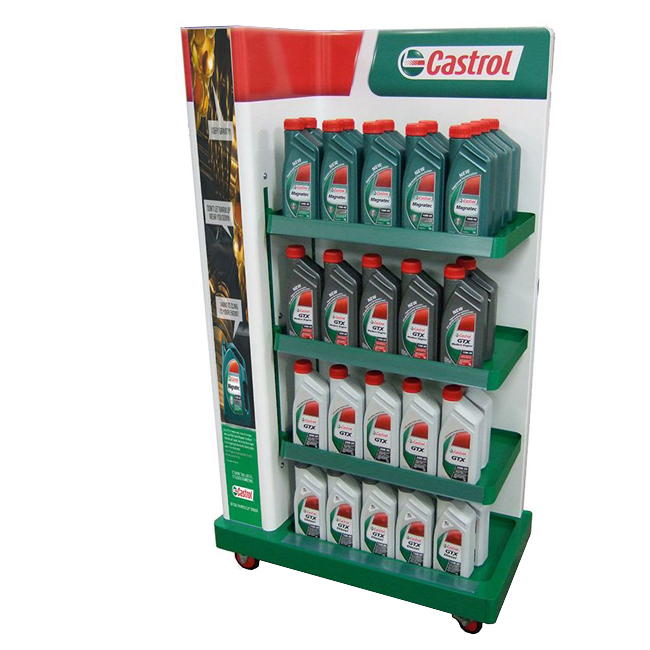
Custom metal display rack cost is shaped by engineering choices across the whole program. Load and size determine structure; materials and part count shape fabrication; finish and branding affect visible quality; quantity spreads setup; and packaging decides freight efficiency and store labor. The best-value quotation is complete, technically comparable, and aligned with the rack’s intended retail life—not simply the lowest factory number.
Frequently Asked Questions
These answers clarify common budgeting questions for custom retail fixtures.
Can a manufacturer quote from a reference image?
A preliminary estimate may be possible, but an accurate quotation needs dimensions, loads, materials, finish, graphics, quantity, packaging, and destination information.
Why is one custom sample more expensive than a production unit?
Engineering, setup, programming, color preparation, and manual work are concentrated in one piece. Mass production spreads those costs across the order.
Does a larger order always reduce the unit price?
It often improves setup and purchasing efficiency, but packaging, inspection, storage, and freight still scale. Request realistic quantity tiers and compare landed cost.
What is the safest way to lower the price?
Simplify repeated parts, finish changes, graphics, and assembly while preserving load capacity, stability, product access, and brand visibility. Validate savings in the revised sample or first article.
Post time: Aug-20-2026