Retail displays are one of the most powerful tools in modern in-store marketing. Whether in supermarkets, convenience stores, shopping malls, or brand flagship stores, the way products are presented directly influences customer behavior and purchasing decisions. Different retail display types serve different purposes, and choosing the wrong one can reduce product visibility and sales performance.
Understanding the differences between floor displays, countertop displays, spinner displays, gondola shelving, and other retail fixtures is essential for brands that want to improve merchandising efficiency and maximize retail ROI.
This guide explains the main retail display types, their ideal applications, and how brands can select the right solution based on product category, retail environment, and marketing goals.
Why Choosing the Right Retail Display Type Matters
Retail space is highly competitive. Customers make purchase decisions within seconds, and visual presentation plays a crucial role in influencing buying behavior.
A well-selected display type helps brands:
● Increase product visibility
● Improve customer engagement
● Maximize limited retail space
● Enhance brand positioning
● Boost impulse purchases
The wrong display type, however, can lead to poor product exposure and wasted marketing investment.
Floor Displays – Best for High-Impact Product Promotion
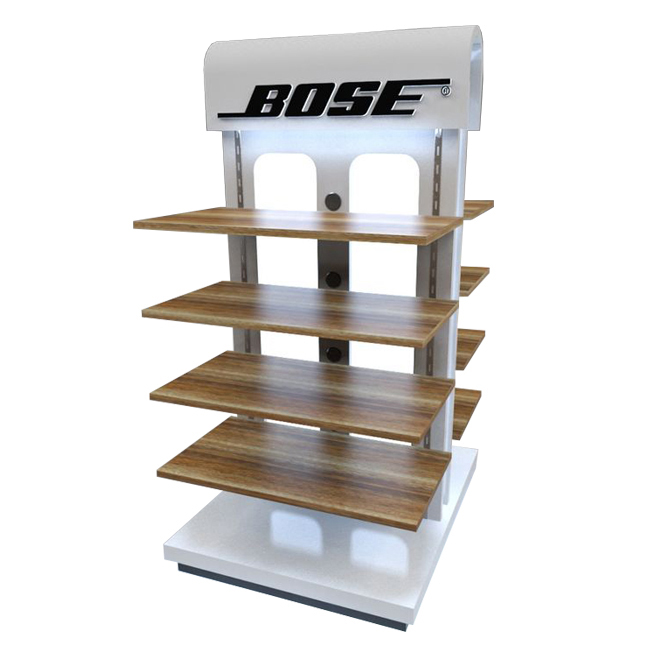
Floor displays are standalone structures placed directly on the retail floor. They are designed to attract attention from a distance and are often used for promotional campaigns or new product launches.
When to Use Floor Displays
● New product launches
● Seasonal promotions
● High-volume FMCG products
● Beverage and snack categories
Why They Work
Floor displays offer large visual space, allowing brands to communicate strong marketing messages and create a dominant in-store presence.
Countertop Displays – Driving Impulse Purchases at Checkout
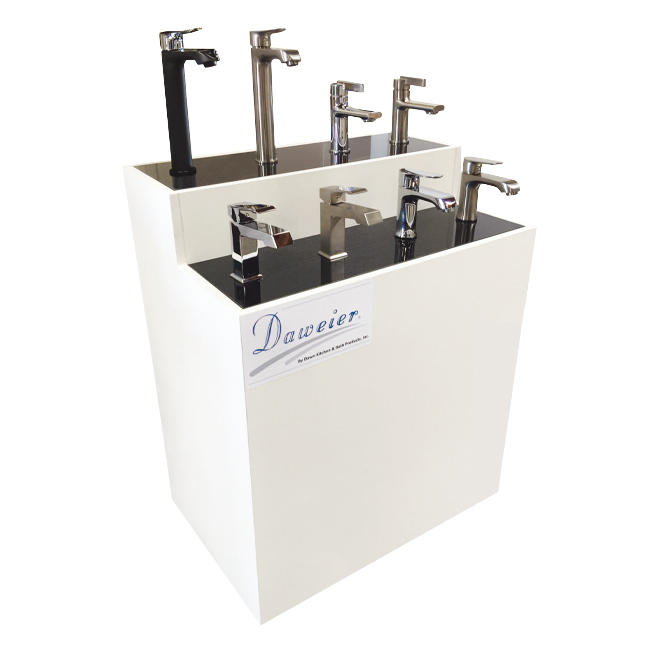
Countertop displays are small units placed near checkout counters or service areas. Their primary purpose is to trigger last-minute purchase decisions.
Ideal Products
● Cosmetics samples
● Small snacks
● Accessories
● Promotional gifts
Marketing Advantage
They directly influence impulse buying behavior at the final stage of the customer journey.
Spinner Displays – Maximizing Visibility in Limited Space
Spinner displays rotate, allowing customers to view multiple product sides in a compact footprint.
Best Applications
● Small packaged goods
● Accessories
● Retail gift items
Key Advantage
They maximize product exposure while occupying minimal floor space, making them ideal for convenience stores and crowded retail environments.
Gondola Displays – The Backbone of Supermarket Merchandising
Gondola shelving systems are widely used in supermarkets and large retail stores. They provide flexible shelving for a wide range of products.
Why Retailers Use Gondola Systems
● High product capacity
● Adjustable shelving
● Easy reconfiguration
● Strong structural durability
Strategic Value
Gondola displays create structured shopping paths and guide customer flow within the store.
Endcap Displays – Capturing High-Traffic Attention Zones
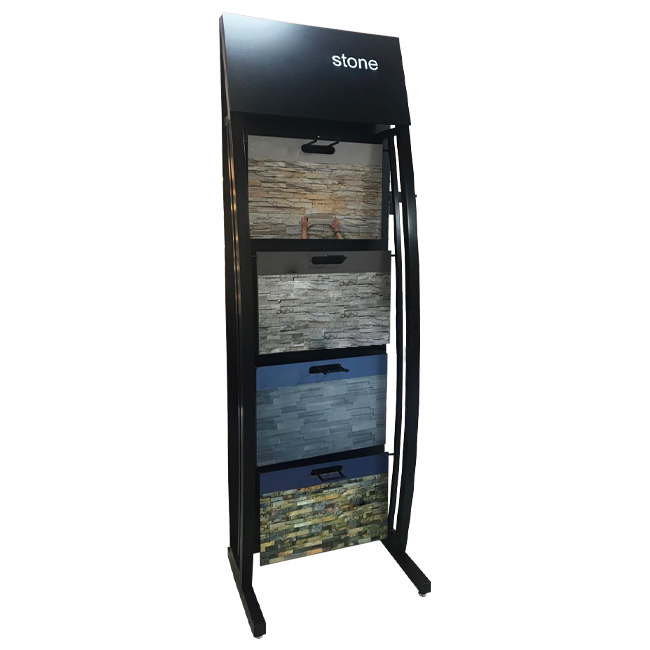
Endcap displays are positioned at the end of retail aisles, making them highly visible to passing customers.
Why They Are Effective
● High traffic exposure
● Strong promotional impact
● Ideal for featured products
Dump Bins – Effective for Bulk and Promotional Sales
Dump bins are open containers used for displaying discounted or bulk products.
Common Use Cases
● Clearance items
● Seasonal promotions
● Low-cost products
Consumer Behavior Impact
They encourage exploratory buying behavior due to their casual presentation style.
How to Choose the Right Retail Display Type
Selecting the correct display depends on multiple factors.
Product Type
● Heavy products → Floor or gondola displays
● Small products → Countertop or spinner displays
Retail Environment
● Supermarkets → Gondola + endcap
● Convenience stores → Countertop + spinner
Marketing Objective
● Brand awareness → Floor displays
● Impulse sales → Counter displays
Common Mistakes Brands Make When Choosing Displays
Many companies fail to maximize retail performance due to poor selection decisions.
Common mistakes include:
● Choosing based only on cost
● Ignoring store layout
● Over-designing without function
● Using wrong size or structure
● Not considering customer flow
These mistakes often reduce campaign effectiveness.
How OEM Display Manufacturers Optimize Retail Performance
Professional manufacturers do more than produce display stands.
They help brands:
● Design optimized structures
● Select suitable materials
● Improve load capacity
● Reduce logistics cost
● Enhance visual merchandising impact
A strong OEM partner ensures that each display type is not only visually attractive but also functionally effective in real retail environments.
Conclusion
Retail display types play a critical role in shaping customer behavior and improving product performance in stores. Floor displays create strong visual impact, countertop displays drive impulse purchases, spinner displays maximize space efficiency, and gondola systems form the backbone of supermarket merchandising.
Choosing the right combination of display types depends on product category, store environment, and marketing goals. By working with an experienced OEM display manufacturer, brands can transform retail spaces into highly effective sales environments that improve visibility, engagement, and overall sales performance.
FAQ
What is the most effective retail display type?
It depends on the product, but floor and gondola displays are most commonly used in supermarkets.
What is the difference between floor and countertop displays?
Floor displays are large and placed in open areas, while countertop displays are small and used near checkout counters.
Are spinner displays effective for small stores?
Yes, they save space and increase product visibility in limited retail environments.
Can retail displays be customized?
Yes, OEM manufacturers can fully customize size, material, structure, and branding.
Which display type is best for impulse sales?
Countertop and endcap displays are most effective for impulse purchases.
Post time: Jul-08-2026