Why Retail Display Trends Are Changing in 2026
Retail display systems are evolving rapidly as supermarkets and retail stores face increasing pressure from e-commerce competition, changing consumer behavior, and rising expectations for in-store experiences. In 2026, retail displays are no longer just product holders—they have become strategic marketing tools that directly influence purchasing decisions.
Modern consumers make decisions within seconds. This means retail brands must use display structures that are more visually engaging, flexible, and aligned with customer psychology. At the same time, retailers are focusing on reducing operational costs, improving store efficiency, and adopting more sustainable merchandising solutions.
As a result, retail display trends in 2026 are shifting toward smarter design, modular systems, and more experience-driven retail environments.
Trend 1 – Modular Retail Display Systems for Flexible Merchandising
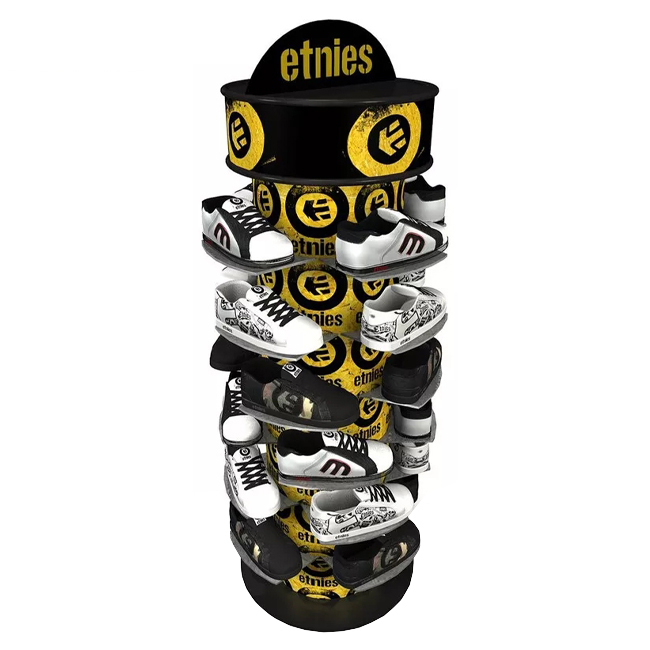
One of the most important trends in 2026 is the shift toward modular display systems. Instead of fixed structures, retailers now prefer flexible systems that can be adjusted based on product type, store layout, and promotional campaigns.
Why Modular Systems Are Growing
Modular displays help retailers:
● Reduce long-term display replacement costs
● Quickly adapt to seasonal promotions
● Reconfigure layouts without rebuilding structures
● Improve inventory rotation efficiency
Impact on Retail Operations
This flexibility allows supermarkets to respond faster to market changes, especially during promotional events or product launches.
Trend 2 – Sustainability Becomes a Purchasing Standard
Sustainability is no longer a marketing advantage—it has become a purchasing requirement for many global retail chains. In 2026, brands are expected to use environmentally responsible materials in their retail displays.
Common Sustainable Materials
● Recyclable cardboard structures
● FSC-certified wood materials
● Reusable metal frameworks
● Eco-friendly printing inks
Why Sustainability Matters
Retailers are under pressure to reduce environmental impact, which means display suppliers must provide eco-friendly alternatives without compromising durability or visual impact.
Trend 3 – Experience-Driven Retail Display Design
Retail is becoming more experiential rather than purely transactional. Displays are now designed to create emotional engagement and guide customer behavior inside the store.
Key Elements of Experience Design
● Storytelling-based product presentation
● Eye-level product positioning
● Interactive visual elements
● Brand-focused design themes
How It Influences Sales
Experience-driven displays increase dwell time in-store, which directly improves product exposure and conversion rates.
Trend 4 – Hybrid Material Structures for Better Performance
Another major trend is the use of hybrid materials combining metal, wood, acrylic, and cardboard. This approach allows manufacturers to balance durability, cost efficiency, and visual appeal.
Why Hybrid Structures Work
Each material plays a different role:
● Metal → structural strength
● Wood → premium appearance
● Acrylic → product visibility
● Cardboard → cost efficiency
Application in Retail Environments
Hybrid displays are widely used in FMCG, cosmetics, and beverage industries where both strength and visual impact are required.
Trend 5 – Data-Aware and Smart Retail Displays
Retail displays are gradually integrating digital elements such as QR codes and tracking systems. These smart features help brands collect customer interaction data and optimize marketing strategies.
Smart Display Applications
● QR-based product engagement
● In-store behavioral tracking
● Promotional campaign analysis
● Digital content integration
Business Value
Brands can now measure display effectiveness more accurately and adjust retail strategies based on real data.
Trend 6 – Faster Production Cycles and Shorter Launch Time
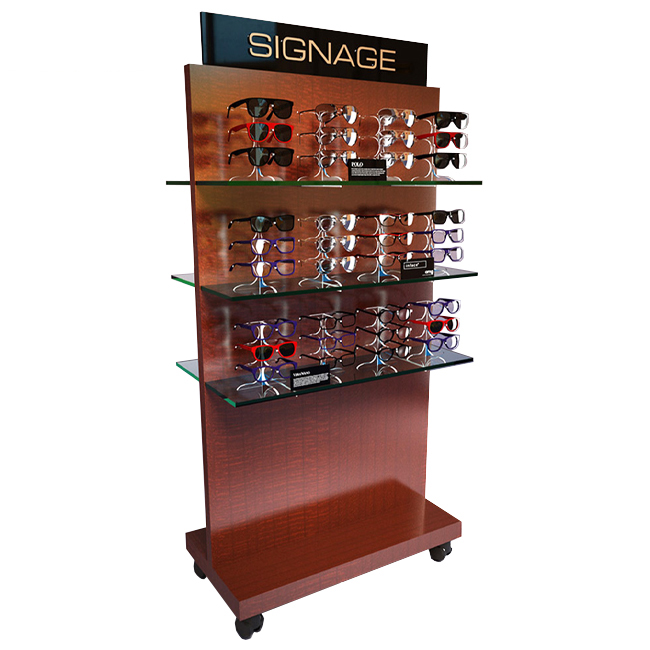
Retail marketing cycles are becoming shorter, requiring faster display production and delivery. Brands now expect OEM manufacturers to provide rapid prototyping and quick turnaround solutions.
Key Requirements from Brands
● Shorter lead times
● Faster sample approval
● Flexible production capacity
● Efficient logistics coordination
Manufacturing Impact
Factories must optimize engineering processes and production planning to meet fast-changing retail demands.
Retail Display Trend Comparison (2026 Insight)
|
Trend |
Key Benefit |
Best Application |
|
Modular Systems |
Flexibility |
Supermarkets & chain stores |
|
Sustainable Materials |
Compliance & branding |
Global retail brands |
|
Experience Design |
Higher engagement |
Cosmetics & lifestyle retail |
|
Hybrid Structures |
Balanced performance |
FMCG & beverage |
|
Smart Displays |
Data-driven marketing |
Premium retail stores |
|
Fast Production |
Market responsiveness |
Promotional campaigns |
How Retail Brands Should Prepare for 2026
To stay competitive, brands must rethink how retail displays are designed and deployed. Instead of treating displays as static fixtures, they should be viewed as dynamic marketing assets.
Focus on Flexibility
Brands should prioritize modular systems that allow quick adaptation to different retail environments.
Integrate Sustainability Early
Sustainability should be considered during the design stage, not added later as an afterthought.
Work Closely with OEM Manufacturers
Strong collaboration with experienced display manufacturers ensures better structural design, cost control, and faster execution.
How OEM Display Manufacturers Support These Trends
Professional OEM manufacturers play a key role in helping brands implement modern retail display strategies.
Engineering and Design Optimization
Ensures displays are both visually effective and structurally stable.
Material Selection Guidance
Helps brands choose the right combination of materials based on cost and application.
Prototype Development
Reduces risk before mass production.
Scalable Production Capability
Supports global retail rollouts with consistent quality control.
Conclusion
Retail display trends in 2026 reflect a major shift toward flexibility, sustainability, and customer experience. Supermarkets and retail stores are no longer relying on traditional static shelving systems. Instead, they are adopting modular, hybrid, and data-driven display solutions that improve both operational efficiency and customer engagement.
For brands, success depends on early adaptation and strong collaboration with experienced OEM display manufacturers who can transform retail concepts into practical, high-performance merchandising solutions. Companies that embrace these trends will gain a strong competitive advantage in the evolving retail landscape.
FAQ
What is the biggest retail display trend in 2026?
Modular and flexible display systems are the most important trend due to their adaptability.
Why is sustainability important in retail displays?
It helps brands meet environmental regulations and improve brand reputation.
What are hybrid retail displays?
They combine multiple materials like metal, wood, acrylic, and cardboard for better performance.
How do smart displays work?
They use digital elements like QR codes and tracking systems to collect customer data.
Are custom retail displays still relevant?
Yes, they are becoming even more important in competitive retail environments.
Post time: Jul-08-2026