Retail competition has never been more intense. Whether products are displayed in supermarkets, shopping malls, specialty stores, or convenience chains, brands are constantly competing for consumers’ attention within just a few seconds. A well-designed retail display not only showcases products but also influences purchasing decisions, strengthens brand recognition, and creates memorable shopping experiences.
For this reason, more companies are investing in custom retail displays rather than standard shelving solutions. Unlike off-the-shelf display fixtures, custom displays are specifically designed to reflect a brand’s identity, accommodate product dimensions, and maximize retail performance.
However, creating a successful retail display involves much more than attractive graphics. Behind every display stand is a comprehensive process that combines marketing strategy, structural engineering, material selection, manufacturing expertise, and quality management. Understanding this complete journey helps brands reduce development risks while ensuring that the final display meets both commercial and operational goals.
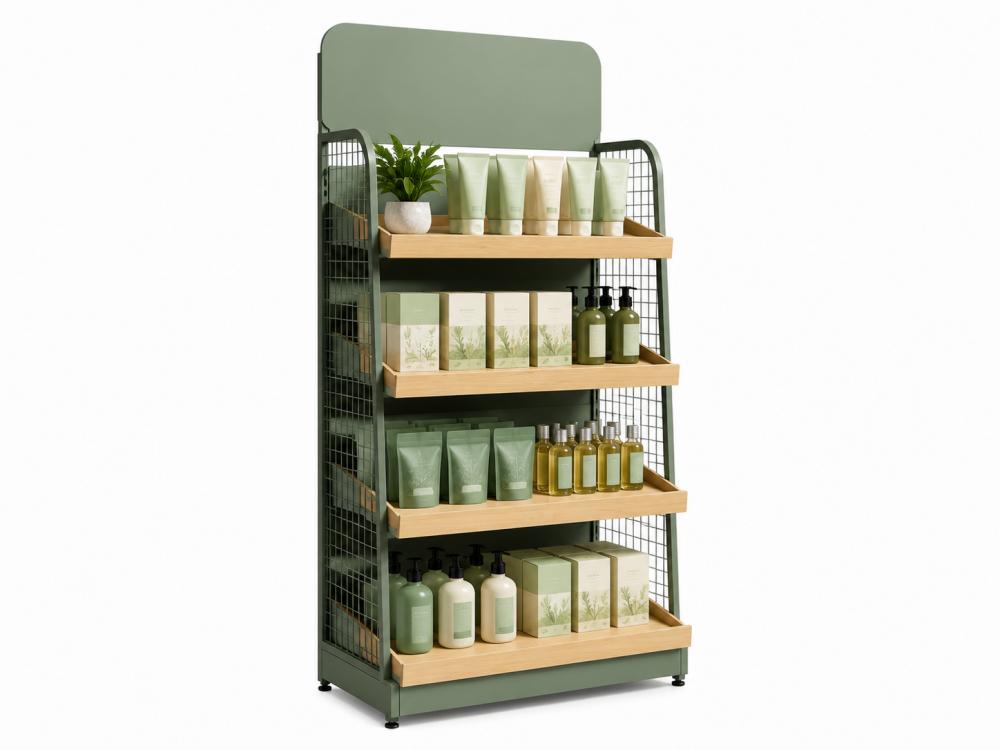
Why Custom Retail Displays Matter More Than Ever
Today’s retail environment demands more than simply placing products on shelves. Consumers are influenced by visual merchandising, product accessibility, and overall shopping experience.
A professionally designed retail display helps businesses achieve several important objectives:
● Increase product visibility
● Strengthen brand identity
● Encourage impulse purchases
● Improve customer engagement
● Differentiate products from competitors
Rather than serving as simple product holders, custom displays have become powerful marketing assets that directly contribute to sales performance.
Step One: Understanding the Brand and Product Requirements
Every successful display project begins with a clear understanding of the customer’s objectives.
Before any sketches or engineering drawings are created, manufacturers work closely with clients to collect essential information.
Defining Business Goals
A display designed for a supermarket promotion differs greatly from one intended for a luxury retail boutique.
Manufacturers need to understand:
● Product category
● Target customers
● Retail environment
● Marketing objective
● Campaign duration
These factors establish the foundation for the entire project.
Evaluating Product Specifications
The physical characteristics of the products determine many aspects of display design.
Important considerations include:
● Product dimensions
● Weight
● Packaging style
● Quantity per shelf
● Display arrangement
Accurate product data prevents structural problems during production and retail use.
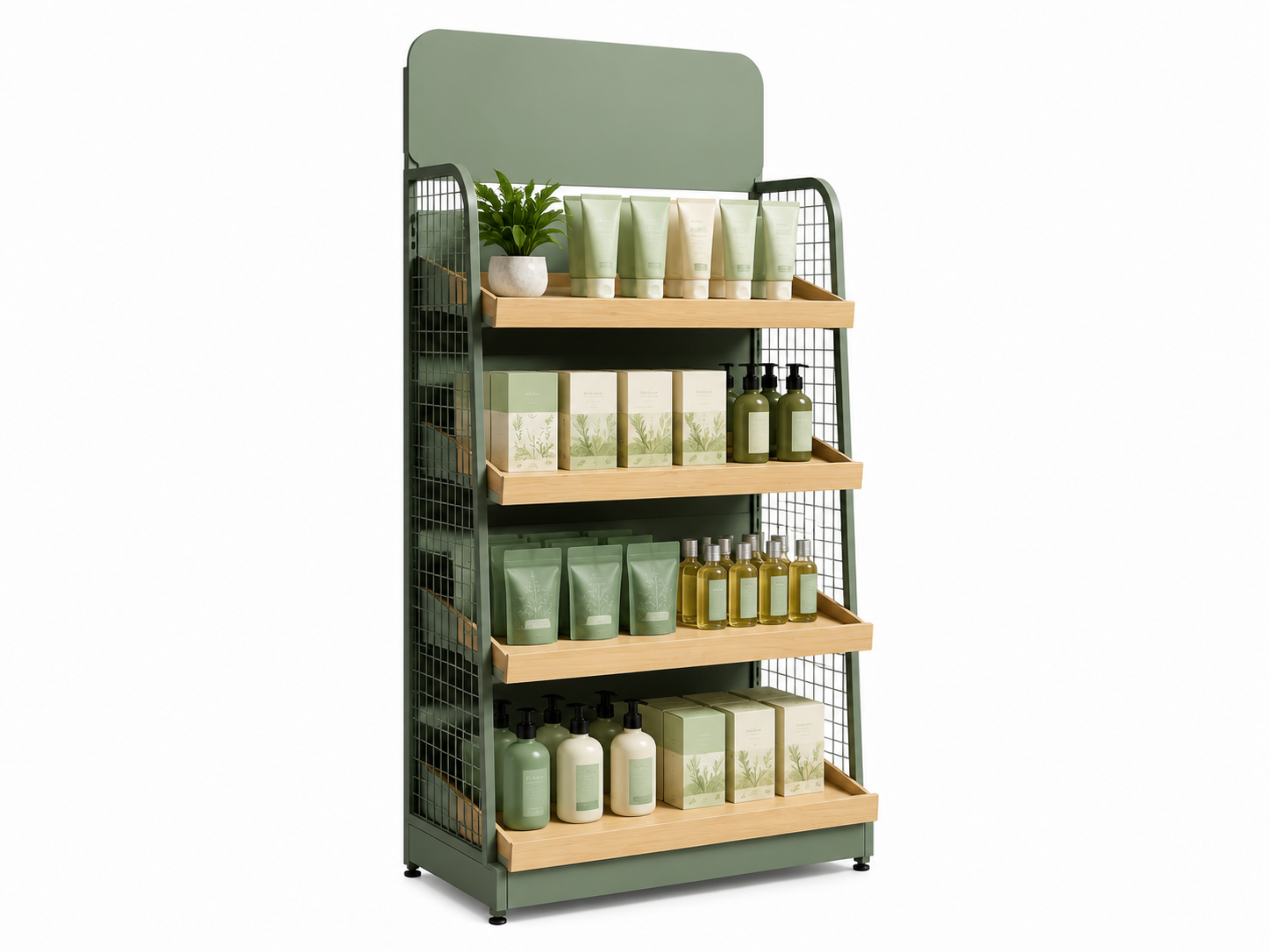
Step Two: Transforming Ideas into Creative Display Concepts
Once project requirements are defined, designers begin converting marketing objectives into practical display concepts.
Creative design balances visual impact with functionality.
A display should attract attention while remaining easy for consumers to browse and retailers to maintain.
Visual Branding Integration
Successful retail displays communicate a consistent brand message.
Designers carefully incorporate:
● Brand colors
● Logos
● Typography
● Promotional graphics
● Product messaging
These elements work together to create a recognizable retail presence.
Consumer Shopping Behavior
Design decisions are increasingly based on customer psychology.
Modern retail displays consider:
● Eye-level product placement
● Shopping flow
● Product accessibility
● Customer interaction
● Visual hierarchy
Understanding consumer behavior helps maximize display effectiveness.
Step Three: Engineering and Structural Development
Creative concepts must be transformed into manufacturable structures.
Engineering teams develop detailed technical drawings that ensure both appearance and structural integrity.
Every measurement, connection point, and reinforcement must be carefully planned before production begins.
Material Selection
Material selection influences durability, appearance, transportation cost, and production efficiency.
Common options include:
● Metal
● Wood
● MDF
● Acrylic
● Corrugated cardboard
● Mixed-material construction
Each material offers different advantages depending on the application and budget.
Structural Stability Analysis
Retail displays must remain stable throughout transportation, installation, and daily customer interaction.
Engineers evaluate:
●Load-bearing capacity
●Center of gravity
●Shelf strength
●Assembly method
●Long-term durability
Proper engineering minimizes product damage and extends display lifespan.
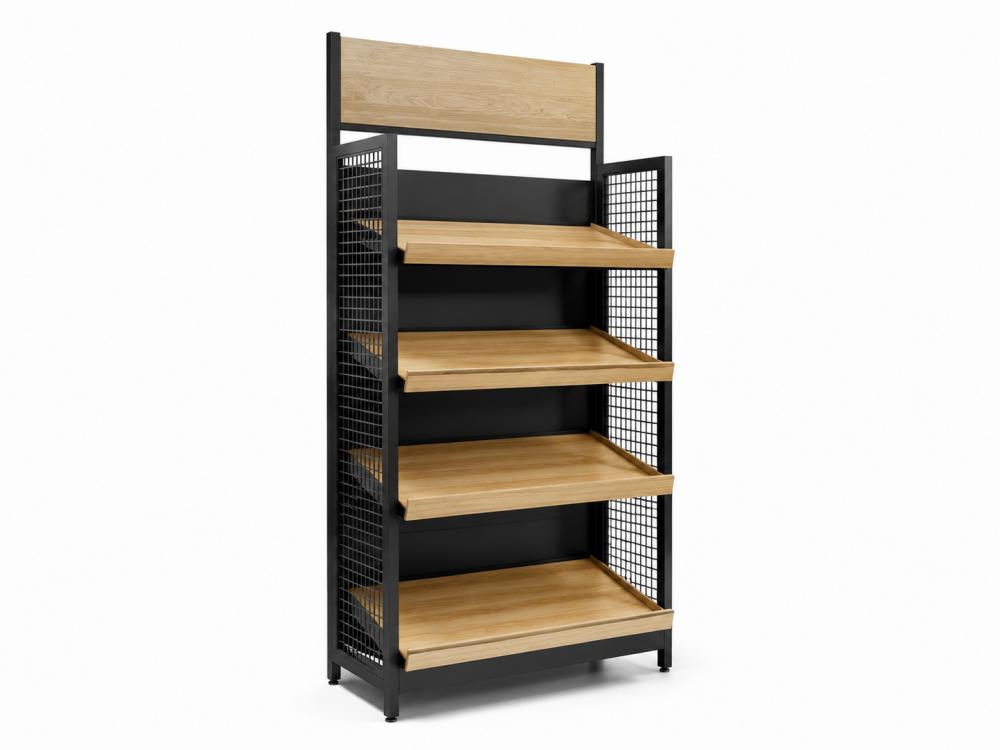
Step Four: Prototype Development Before Mass Production
Before full-scale manufacturing begins, professional manufacturers normally create a prototype.
Prototype evaluation helps identify potential issues while changes remain inexpensive and easy to implement.
Functional Testing
Engineers verify whether the display performs as expected under real operating conditions.
Testing typically includes:
● Assembly verification
● Product loading
● Structural stability
● Packaging compatibility
● Transportation simulation
Early testing significantly reduces production risks.
Client Approval Process
Prototype approval ensures that both the manufacturer and customer share the same expectations before mass production begins.
Feedback collected during this stage often leads to minor improvements that enhance both appearance and functionality.
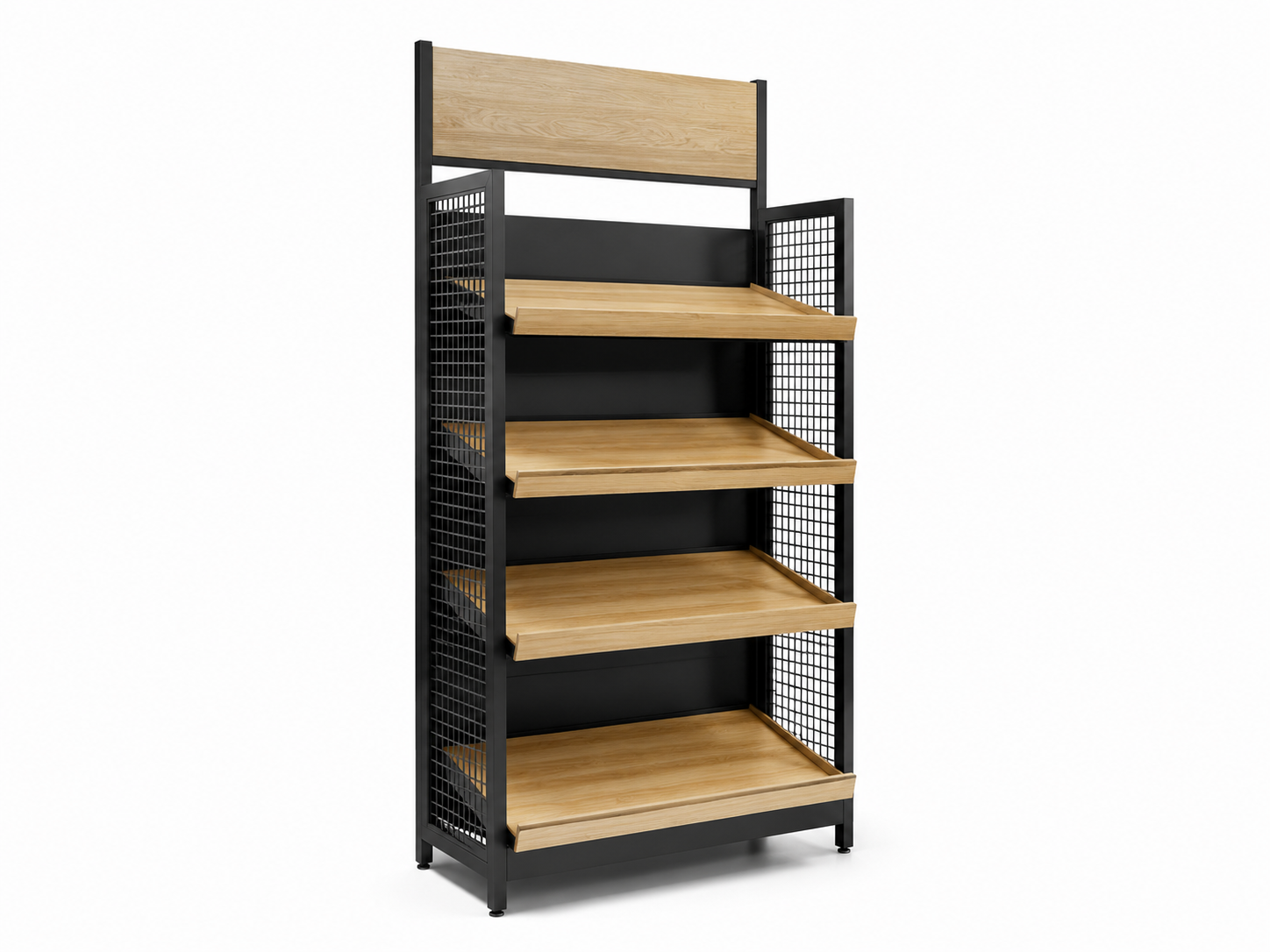
Step Five: Mass Production with Standardized Manufacturing Processes
After the prototype has been approved, the project moves into full-scale production. This stage requires strict process management to ensure that every display stand meets the approved specifications while maintaining consistent quality across large production volumes.
Professional manufacturers rely on standardized operating procedures, automated equipment, and experienced production teams to improve efficiency without sacrificing precision. Every production step, from material cutting to final assembly, is carefully monitored to reduce defects and maintain product consistency.
Precision Manufacturing
Modern production facilities use advanced manufacturing equipment to achieve consistent dimensions and reliable structural performance.
Depending on the display design, production processes may include:
● Laser cutting
● CNC machining
● Metal welding
● Powder coating
● Wood processing
● Acrylic fabrication
● Digital printing
● UV printing
Using advanced production technologies improves both manufacturing accuracy and production speed.
Production Scheduling
Effective production planning is essential for meeting customer delivery deadlines.
Manufacturers coordinate:
● Material procurement
● Component fabrication
● Assembly schedules
● Printing timelines
● Packaging preparation
● Shipping arrangements
Well-organized scheduling minimizes production delays and ensures smooth project execution.
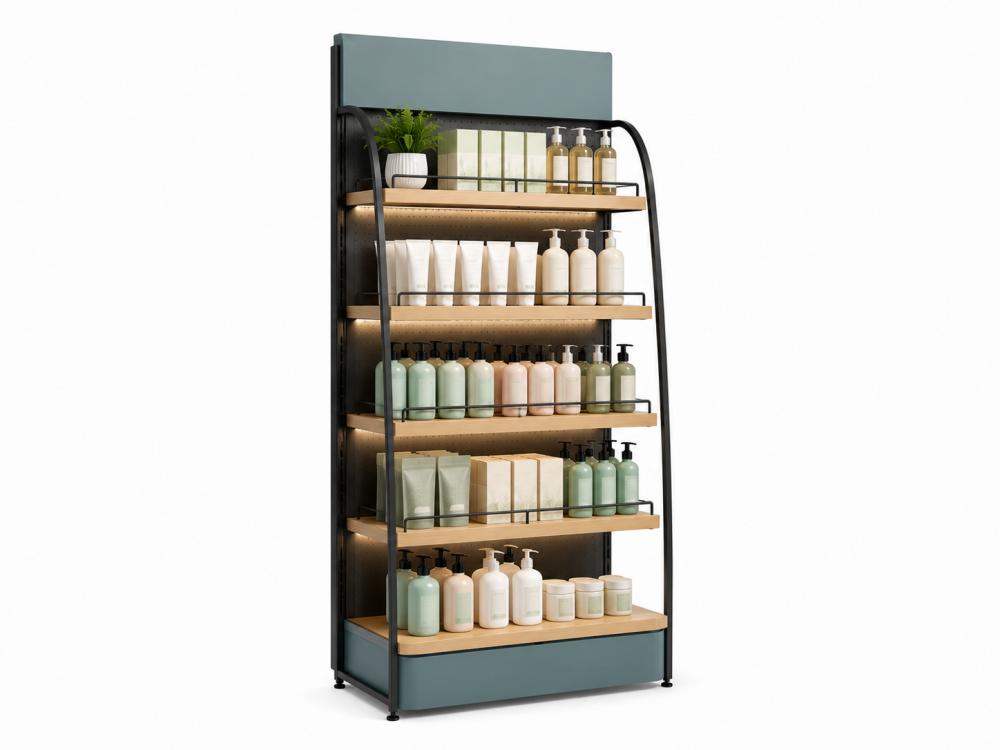
Step Six: Quality Control Throughout Manufacturing
Quality control should never be limited to the final inspection. Instead, it must be integrated into every stage of production.
A professional retail display manufacturer implements multiple inspection procedures before products are shipped to customers.
Incoming Material Inspection
Raw materials are carefully inspected before entering production.
Inspection items typically include:
● Material thickness
● Surface quality
● Color consistency
● Structural strength
● Dimensional accuracy
Using qualified materials creates a solid foundation for product quality.
In-Process Quality Inspection
During manufacturing, technicians monitor each production stage to identify potential problems before they affect the final product.
Typical inspections include:
●Welding quality
●Printing accuracy
●Surface finishing
●Component assembly
●Hardware installation
Continuous inspection significantly reduces defect rates.
Final Product Verification
Before packaging, finished display stands undergo comprehensive inspection to confirm they meet customer requirements.
Final inspections normally verify:
● Overall appearance
● Structural stability
● Product dimensions
● Color consistency
● Assembly performance
● Packaging integrity
Only products that meet quality standards proceed to shipment.
How Custom Retail Displays Improve Retail Performance
The value of a custom display extends far beyond aesthetics.
When properly designed, it becomes a strategic marketing tool that influences consumer behavior and supports business growth.
A high-quality retail display can help brands:
● Increase product visibility
● Encourage impulse purchases
● Strengthen brand identity
● Improve customer interaction
● Maximize retail space utilization
● Support seasonal marketing campaigns
For retailers, an effective display creates a better shopping experience while increasing sales opportunities.
Choosing the Right Custom Retail Display Manufacturer
Selecting an experienced manufacturing partner is one of the most important decisions in any display project.
A reliable manufacturer provides far more than production capacity.
They contribute engineering expertise, design support, manufacturing experience, and project management throughout the entire development process.
Technical Capabilities
Look for manufacturers that offer:
● In-house design teams
● Engineering support
● Prototype development
● OEM and ODM services
● Multi-material manufacturing
Comprehensive technical capabilities help ensure successful project execution.
Manufacturing Experience
Experienced manufacturers understand the challenges of international retail markets.
They can recommend practical improvements that enhance product quality, reduce production costs, and simplify logistics.
A proven track record also provides greater confidence for long-term cooperation.
Conclusion
Custom retail displays have become an essential component of modern retail strategy. They combine creative design, engineering expertise, manufacturing precision, and brand storytelling to create effective merchandising solutions that improve product visibility and influence consumer purchasing decisions.
From the initial concept and structural development to prototype testing, mass production, quality control, and international shipping, every stage of the process contributes to the final success of a display project. Choosing an experienced manufacturing partner ensures that each step is carefully managed, reducing project risks while improving product quality and delivery reliability.
As retail environments continue to evolve, businesses that invest in professionally designed custom retail displays will be better positioned to strengthen their brand image, improve customer engagement, and achieve long-term commercial success.
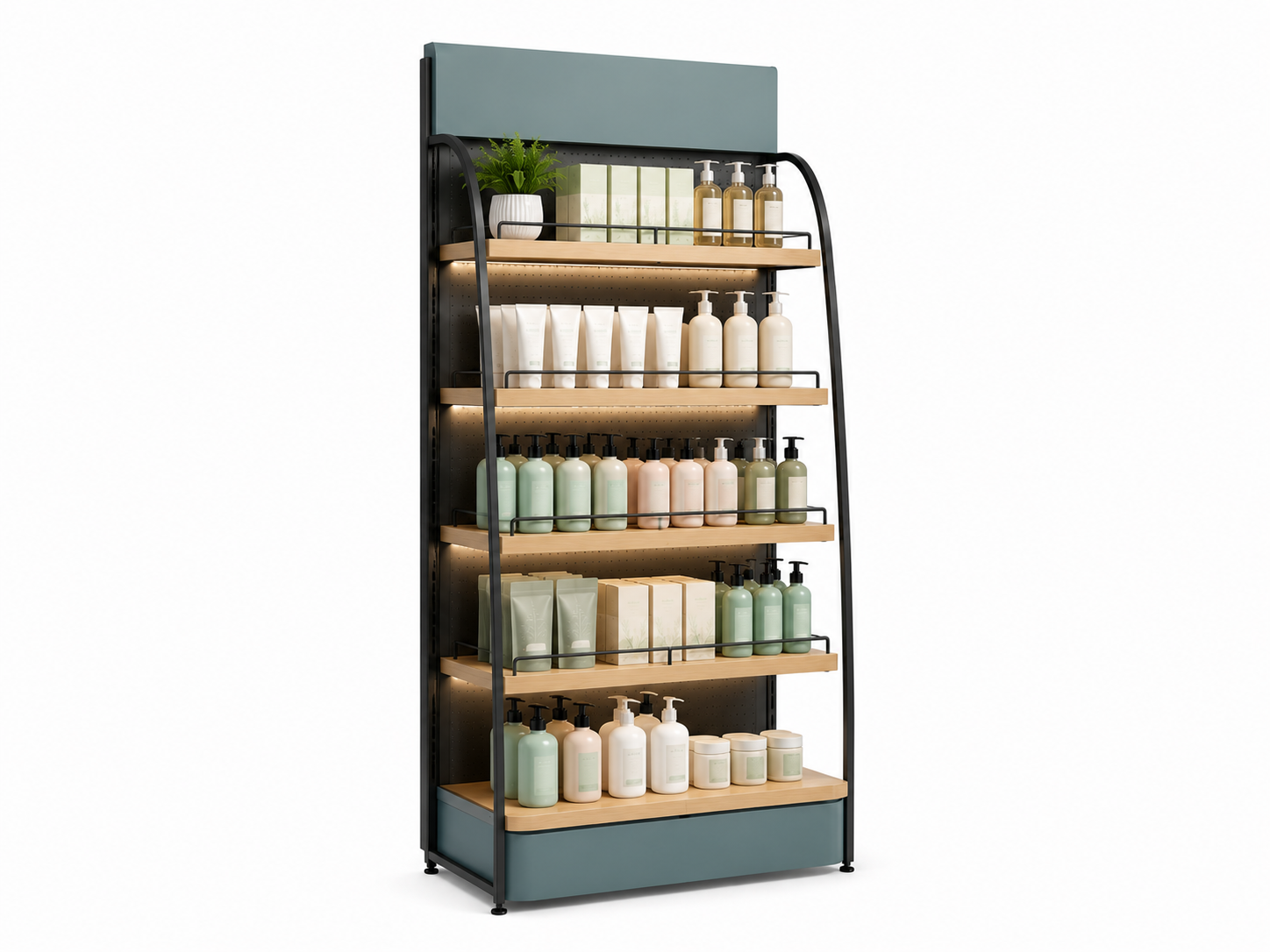
FAQ
What are custom retail displays?
Custom retail displays are specially designed merchandising fixtures created to showcase products, strengthen brand identity, and improve retail sales performance.
What materials are commonly used for custom retail displays?
Common materials include metal, wood, MDF, acrylic, corrugated cardboard, and mixed-material combinations, depending on the application and budget.
Why is prototype development important before mass production?
Prototypes allow manufacturers and customers to verify structural performance, appearance, assembly, and functionality before full-scale production begins.
How long does it take to manufacture custom retail displays?
Production time depends on project complexity, material availability, and order quantity, but most OEM projects require several weeks from design approval to shipment.
Can custom retail displays be shipped internationally?
Yes. Most professional manufacturers design knock-down structures and protective packaging specifically for efficient international transportation.
How do I choose a reliable retail display manufacturer?
Choose a manufacturer with strong engineering capabilities, in-house design support, prototype development experience, strict quality control systems, and proven OEM/ODM manufacturing expertise.
Post time: Jul-08-2026