In modern retail marketing, visual merchandising plays a critical role in influencing customer purchasing decisions. Among the most commonly used in-store marketing tools are POP (Point of Purchase) displays and POS (Point of Sale) displays. Although these two terms are often used interchangeably, they actually serve different purposes within the retail environment.
For brands, retailers, and marketing teams, understanding the difference between POP and POS displays is essential when planning in-store promotions, product launches, or seasonal campaigns. Choosing the wrong type of display can reduce marketing effectiveness, while selecting the right one can significantly increase product visibility and sales conversion rates.
This guide explains the key differences between POP and POS displays, their applications, advantages, and how to choose the right solution for your retail strategy.
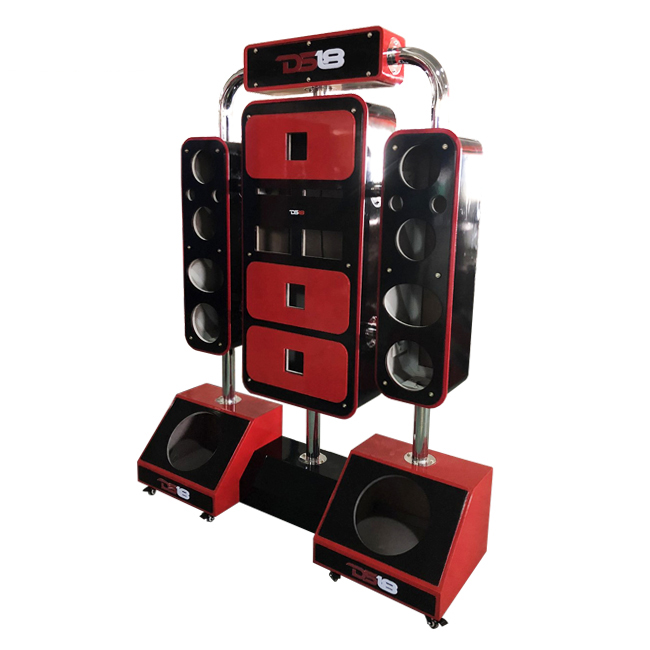
What Is a POP Display?
POP (Point of Purchase) displays refer to promotional structures placed anywhere inside a retail environment where customers make purchasing decisions
These displays are designed to attract attention before the final checkout stage.
Key Characteristics of POP Displays
POP displays typically include:
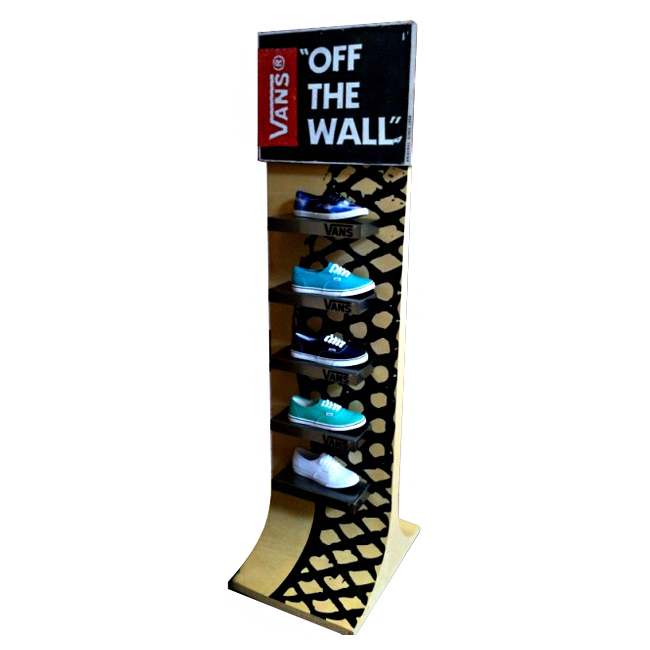
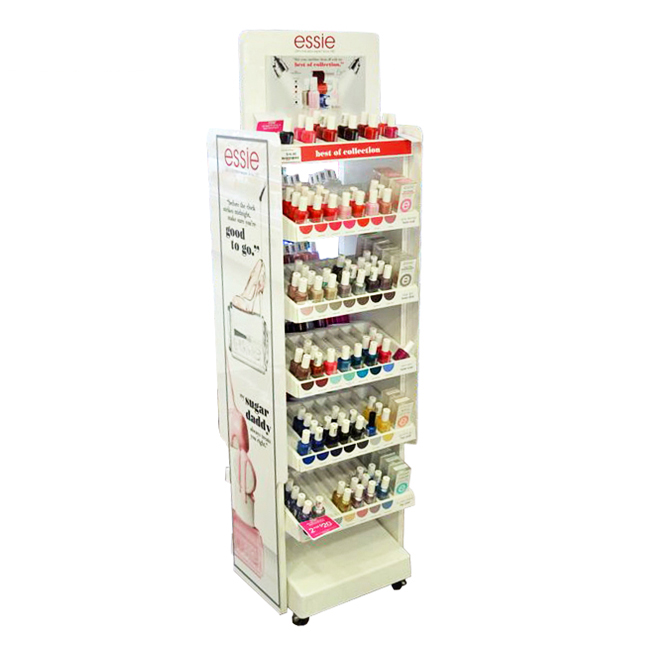
● Floor display stands
● Sidekick displays
● Endcap displays
● Counter displays
● Hanging promotional units
Their main purpose is to:
● Increase product visibility
● Highlight promotions
● Attract customer attention in aisles
● Strengthen brand marketing
POP displays are highly flexible and widely used across supermarkets, convenience stores, and retail chains.
What Is a POS Display?
POS (Point of Sale) displays are placed specifically at the checkout area, where customers finalize their purchases.
These displays are designed to trigger impulse buying decisions at the final stage of the shopping journey.
Key Characteristics of POS Displays
POS displays are usually:
● Countertop display units
● Small product racks
● Checkout shelf displays
● Compact promotional stands
Their main purpose is:
● Encourage last-minute purchases
● Promote small or low-cost items
● Increase average transaction value
● Capture attention at checkout counters
POS displays are highly effective for impulse-driven products such as snacks, cosmetics, batteries, and small accessories.
POP vs POS Display: Key Differences
Although POP and POS displays both serve marketing purposes, their positioning, function, and impact differ significantly.
Main Comparison Overview
● POP Display: Located throughout the store, focuses on product awareness
● POS Display: Located at checkout, focuses on impulse buying
Strategic Difference
POP displays influence customers during browsing.
POS displays influence customers during payment.
POP vs POS Display Comparison Table
Below is a simplified comparison for better understanding:
● Location: POP → Aisles / Store Area | POS → Checkout Counter
● Purpose: POP → Awareness & Engagement | POS → Impulse Purchase
● Size: POP → Medium to Large | POS → Small & Compact
● Products: POP → Multiple SKUs | POS → Single/Small Items
● Impact Stage: POP → Early Decision | POS → Final Decision
When Should You Use POP Displays?
POP displays are ideal when your goal is to:
● Launch a new product
● Increase brand awareness
● Promote seasonal campaigns
● Drive traffic within store aisles
● Highlight product differentiation
They work especially well for:
● Beverage brands
● Cosmetics brands
● Electronics promotions
● FMCG products
POP displays help guide customers toward your product before they make purchase decisions.
When Are POS Displays More Effective?
POS displays are best used when you want to:
● Increase impulse purchases
● Boost checkout revenue
●Promote low-cost items
● Encourage last-minute add-ons
They are commonly used for:
● Snacks and candy
● Small electronics accessories
● Beauty mini-products
● Promotional gifts
POS displays directly influence final purchasing behavior at the most critical moment.
Common Mistakes Brands Make When Choosing Displays
Many companies fail to maximize retail performance because they misunderstand display strategy.
Common mistakes include:
● Using POS displays for large products
● Ignoring store layout strategy
● Over-designing without considering function
● Choosing cost over marketing impact
● Not aligning display type with customer behavior
These mistakes reduce retail ROI and weaken in-store performance.
How to Choose the Right Display Solution
To select the right display type, brands should evaluate:
● Product size and weight
● Store environment
● Target customer behavior
● Promotion goals
● Budget allocation
● Retail placement strategy
A successful display strategy always aligns product positioning with consumer psychology.
Why Work with a Professional Display Manufacturer
A professional OEM display manufacturer can help brands transform marketing ideas into effective retail solutions.
Key advantages include:
● Custom structural design
● Material selection expertise
● OEM/ODM production capability
● Prototype development
● Retail strategy consultation
A reliable manufacturer ensures that POP and POS displays not only look good but also perform effectively in real retail environments.
Conclusion
POP and POS displays are both essential tools in modern retail marketing, but they serve different strategic purposes. POP displays focus on attracting customer attention throughout the store, while POS displays focus on converting customers at the checkout stage.
Understanding their differences allows brands to design more effective retail strategies, improve product visibility, and increase overall sales performance. By working with an experienced display manufacturer, companies can ensure that each display solution is tailored to both marketing objectives and real-world retail environments.
FAQ
What is the main difference between POP and POS displays?
POP displays are placed throughout the store to attract attention, while POS displays are placed at checkout to trigger impulse purchases.
Which display is better for sales?
Both are effective, but POP builds awareness while POS increases last-minute conversions.
Can one product use both POP and POS displays?
Yes, many brands use both strategies to maximize in-store impact.
What materials are used for POP/POS displays?
Common materials include cardboard, metal, wood, acrylic, and mixed materials.
Are POP and POS displays customizable?
Yes, OEM manufacturers can fully customize structure, size, branding, and materials.
Post time: Jul-08-2026